
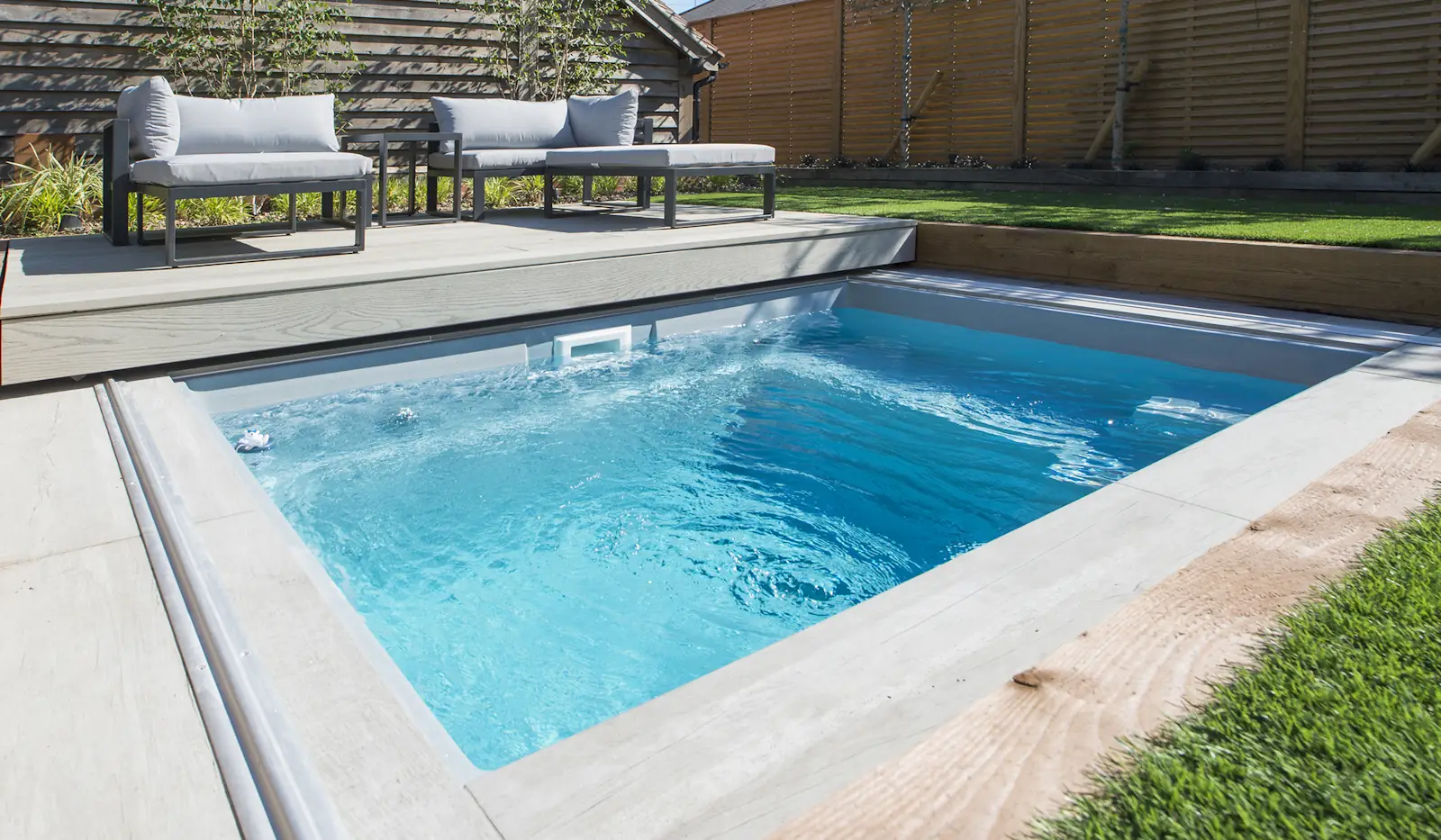
Introduction: Why Pool Pumps Are Essential for a Healthy Pool
Imagine diving into a crystal-clear pool on a scorching summer day—cool, refreshing, and utterly inviting. Now, pause for a moment and ask yourself: what keeps that water so pristine and safe for swimming? The answer lies in the unsung hero of your pool system—the pool pump.
A pool pump isn’t just a piece of equipment; it’s the lifeline of your pool’s circulation system. Without it, your pool water would quickly turn stagnant, murky, and unsafe. This guide is here to help you understand everything about pool pumps, from the different types available to how to choose the right one and maintain it for years of hassle-free enjoyment. Whether you’re a new pool owner or looking to upgrade your existing system, this article will ensure you make an informed decision.
What is a Pool Pump?
A pool pump is the heart of your pool’s circulation system. Its primary function is to keep the water moving, ensuring it passes through the filtration, heating, and sanitization processes. Without a functioning pool pump, your pool water would become a breeding ground for algae, bacteria, and debris.
The Role of a Pool Pump in Pool Maintenance:
- Prevents Stagnation: By continuously circulating the water, the pump prevents stagnation, which can lead to algae growth.
- Distributes Chemicals Evenly: It ensures that sanitizers, such as chlorine, are evenly dispersed throughout the pool.
- Maintains Clean Water: The pump works in tandem with the pool filter to remove dirt, debris, and contaminants, keeping the water safe and enjoyable for swimming.
In short, a pool pump is indispensable for maintaining a clean, healthy, and inviting pool.
How Pool Pumps Work
Understanding how a pool pump works can help you appreciate its importance and identify potential issues before they escalate.
The Circulation Process:
- Water Intake: Water is drawn from the pool through skimmers and main drains.
- Debris Removal: The water passes through the pump’s strainer basket, where larger debris like leaves and twigs are trapped.
- Filtration and Heating: The pump pushes the water through the pool filter to remove finer particles and, if applicable, through a heater to regulate temperature.
- Return to the Pool: Finally, the clean, treated water is returned to the pool via return jets.
Key Components of a Pool Pump:
- Motor: The powerhouse that drives the pump, enabling water circulation.
- Impeller: A blade-like component that creates water flow by spinning rapidly.
- Housing: The outer casing that protects the internal components from damage.
By keeping these parts in good working order, your pool pump can operate efficiently and effectively.
Types of Pool Pumps
When it comes to pool pumps, one size does not fit all. The type of pump you choose will depend on your pool’s size, usage, and energy efficiency goals. Let’s explore the three main types:
Single-Speed Pool Pumps
- How They Work: These pumps operate at a fixed speed, running at full power whenever they’re on.
- Pros:
- Affordable upfront cost.
- Simple design that’s easy to maintain.
- Cons:
- High energy consumption, leading to costly utility bills.
- May not meet modern energy efficiency standards in some regions.
Dual-Speed Pool Pumps
- How They Work: Dual-speed pumps offer two speed settings—low for daily circulation and high for tasks like vacuuming or operating water features.
- Benefits:
- Greater flexibility and energy savings compared to single-speed pumps.
- Suitable for both routine and heavy-duty tasks.
- Considerations:
- Higher initial cost than single-speed models.
- May require manual adjustment to switch speeds.
Why Choose Variable-Speed Pool Pumps?
- How They Work: These pumps allow you to adjust the motor speed to precisely match your pool’s needs.
- Benefits:
- Energy Efficiency: Save up to 90% on energy costs compared to single-speed pumps.
- Longevity: Reduced strain on components extends the pump’s lifespan.
- Quiet Operation: Runs more quietly than other types, providing a more enjoyable poolside experience.
- Customizable Performance: Tailor the speed for specific tasks, such as heating or filtration.
- Who Should Choose This?: Ideal for eco-conscious pool owners or anyone looking to minimize long-term operating costs.
Selecting the Right Pool Pump
Choosing the right pool pump can feel overwhelming, but it doesn’t have to be. Here are the key factors to consider:
Factors to Consider:
- Pool Size and Volume: Larger pools require more powerful pumps to ensure proper circulation.
- Pool Type:
- In-ground pools typically require more robust pumps than above-ground pools.
- Pools with water features, spas, or fountains may need additional power.
- Local Climate:
- In warmer climates, pumps may need to run longer to prevent algae growth.
- Energy Efficiency Goals:
- Variable-speed pumps are the best choice for reducing energy consumption and costs.
- Budget:
- While variable-speed pumps have a higher upfront cost, their long-term savings often outweigh the initial investment.
Energy Efficiency Tips for Pool Pumps
A pool pump can be one of the most energy-intensive appliances in your home, but with the right strategies, you can significantly cut costs.
- Optimize Pump Run Times:
- Run your pump during off-peak hours to save on electricity.
- Use a timer to automate pump operation and avoid unnecessary usage.
- Upgrade to a Variable-Speed Pump:
- Adjust speeds based on your pool’s needs, reducing energy waste.
- Regular Maintenance:
- Clean the pump basket and filter regularly to maintain efficiency.
- Inspect for wear and tear to prevent energy loss due to malfunctioning components.
Maintenance and Care for Pool Pumps
Proper maintenance not only extends the life of your pool pump but also ensures optimal performance.
Routine Maintenance Tips:
- Clean the strainer basket weekly to remove debris.
- Check the impeller regularly, especially if you notice reduced water flow.
- Inspect seals and gaskets for wear and replace them as needed.
Seasonal Care:
- Winterizing: In colder climates, drain and store the pump to prevent freezing damage.
- Spring Opening: Perform a thorough inspection and cleaning before reopening your pool for the season.
Troubleshooting Common Issues:
- Unusual Noises: Could indicate a clogged impeller or a failing motor.
- Leaks: Often caused by worn-out seals or loose fittings.
- Reduced Water Flow: Check for blockages in the pump basket, impeller, or filter.
Need professional help? Visit Blue Pools Contact Page to schedule expert maintenance services.
Spotlight on Hayward Pool Pumps
If you’re looking for reliability and innovation, Hayward pool pumps are a top choice.
- Why Hayward?:
- Known for their durability and energy efficiency.
- Offer a range of models tailored to different pool sizes and needs.
- Top Models to Consider:
- Hayward Super Pump: Ideal for medium-sized pools, combining performance and affordability.
- Hayward TriStar VS: A high-efficiency variable-speed pump with advanced features.
- Key Features:
- Quiet operation thanks to advanced motor technology.
- User-friendly controls for effortless customization.
Conclusion: Choosing and Maintaining the Right Pool Pump
A pool pump plays a critical role in maintaining clean, safe, and enjoyable swimming water. By understanding the different types of pool pumps and selecting the one that best suits your needs, you can save time, money, and energy. Regular maintenance ensures your pump operates efficiently, giving you more time to enjoy your pool and less time worrying about upkeep.
Ready to take the next step? Whether you’re upgrading to a variable-speed pump or need expert maintenance, Blue Line Pools is here to help. Contact us to get started on creating the perfect pool experience today!
